
Quick Answer
Salmon DNA, more accurately a compound called PDRN derived from salmon sperm cells, is being marketed as a topical add-on to microneedling meant to support the skin’s repair process. The injectable version of this ingredient is not currently FDA approved for use in the United States, though it is used in some other countries, so what you are actually being offered matters a great deal. The most useful thing to know is that topical use during microneedling is a different regulatory situation than injection, and it is worth understanding which one is actually being proposed.
If skincare content has crossed your feed lately, you have probably seen salmon DNA mentioned as the next big thing in aesthetic treatments, often paired with dramatic claims and an undeniably attention-grabbing name. It is a lot to take in without a clear explanation of what is actually being discussed.
This article explains what salmon DNA treatments actually involve, what current regulation says, and questions worth asking before trying it. Rare Beauty Studio in Naples believes trending treatments deserve the same scrutiny as any other, regardless of how much buzz they generate.
What “Salmon DNA” Actually Refers To
The compound behind this trend is typically PDRN, short for polydeoxyribonucleotide, derived from salmon sperm cells. It is being studied for its potential role in supporting tissue repair, and it has become popular in skincare marketing under the more attention-getting name of salmon DNA.
In some countries, PDRN is used as an injectable treatment, often under brand names associated with skin rejuvenation. In the United States, its regulatory status is more limited, which is an important distinction that often gets lost in social media coverage of the trend.
Topical Use vs Injection, Why It Matters
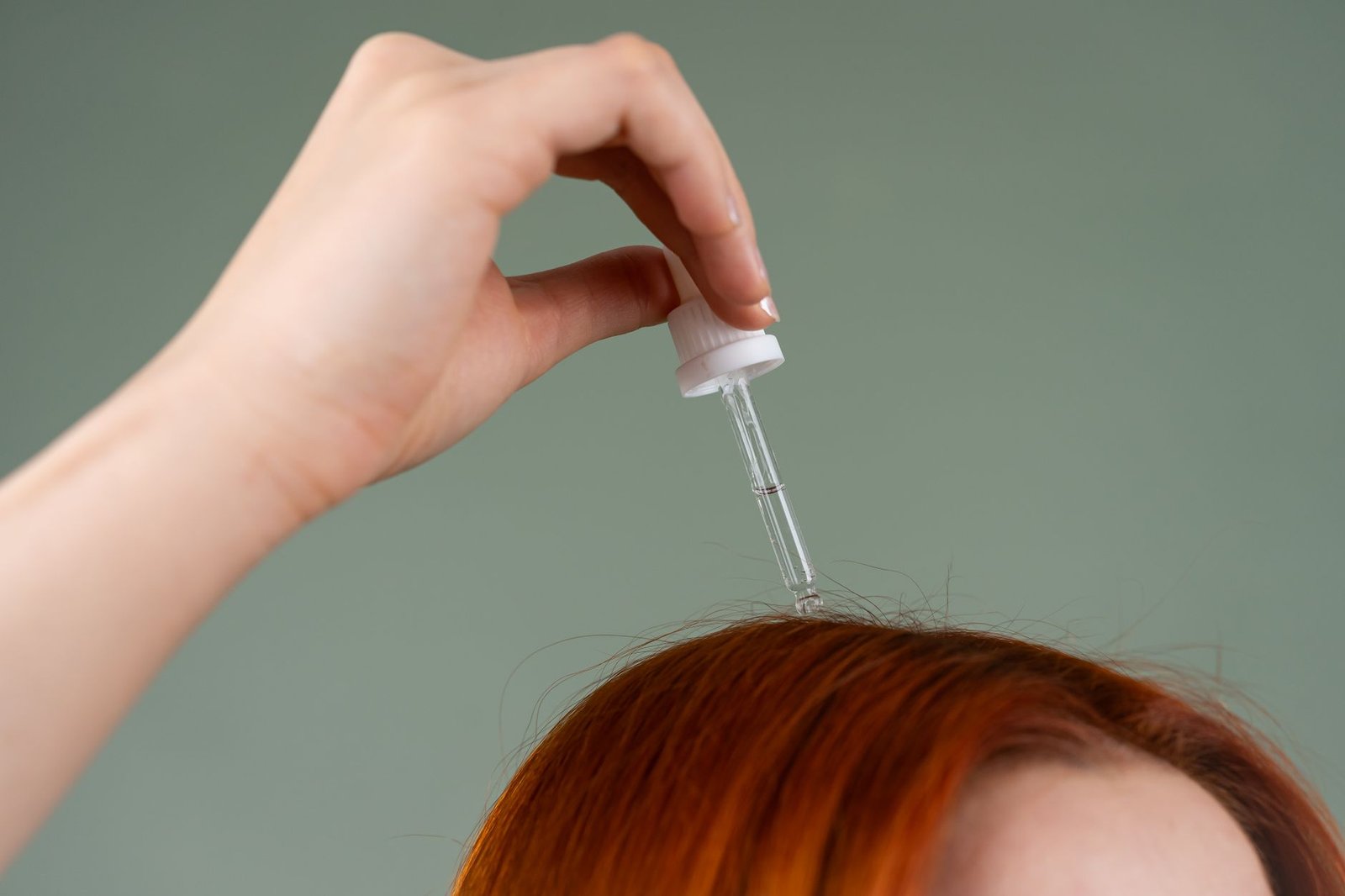
When salmon DNA or PDRN is applied topically during microneedling, allowing it to work its way into the micro-channels created by the treatment, it is being used more like a specialized serum than a regulated injectable. This is a meaningfully different situation than the injectable versions used in some other countries, which are not currently FDA approved for use in the United States.
Before agreeing to any treatment involving this ingredient, it is worth asking your provider directly whether the product is being applied topically or injected, and what its actual regulatory status is in the United States.
What the Evidence Currently Supports
Research into PDRN’s role in tissue repair is ongoing, and some studies suggest potential benefits in specific medical contexts, though evidence specific to topical cosmetic use alongside microneedling is more limited. Marketing claims describing it as a proven upgrade over standard treatments outpace what current independent research actually supports.
This does not mean the ingredient has no merit, only that the level of enthusiasm in social media coverage is ahead of the evidence currently available for its cosmetic use.
A Reasonable Way to Approach It
If you are curious about trying a salmon DNA or PDRN add-on, asking about sourcing, regulatory status, and what is actually being applied gives you the information needed to make an informed decision. A provider who answers these questions clearly and directly is more trustworthy than one who leans entirely on trend language.
Standard microneedling on its own continues to have more established research behind its aesthetic outcomes and does not carry the same regulatory uncertainty as an emerging trend ingredient.
If you have questions about trending add-ons like salmon DNA or want to understand your options clearly, Rare Beauty Studio in Naples is happy to talk it through honestly during a consultation. Visit rarebeautystudio.com to learn more.
Frequently Asked Questions
Is salmon DNA microneedling FDA approved?
The injectable version used in some other countries is not currently FDA approved for use in the United States. Topical application during microneedling falls into a different regulatory category, which is worth clarifying with your provider.
Is salmon DNA treatment safe?
Safety depends heavily on sourcing, how the product is used, and the provider administering it. Asking detailed questions about the specific product and its regulatory status before proceeding is strongly advised.
Does salmon DNA microneedling hurt more than standard microneedling?
The microneedling portion feels the same regardless of any topical add-on. Any additional sensation would depend on the specific product applied.
How long until I see results from salmon DNA treatments?
Independent research specific to cosmetic use is still limited, so timelines and outcomes should be discussed cautiously and are not guaranteed.
Is salmon DNA microneedling safe for my skin tone?
Standard microneedling is generally considered appropriate across a wide range of skin tones, though the salmon DNA add-on specifically has less established data. Rare Beauty Studio can help you think through your options.
Should I try this trend or stick with standard microneedling?
This is a personal decision that depends on your comfort with an emerging, less regulated ingredient. Standard microneedling has more established research behind it.
The information in this article is for educational purposes only. Results from microneedling and aesthetic treatments vary by individual and are not guaranteed. This content does not constitute medical advice. Consult a qualified aesthetic professional before beginning any treatment. Rare Beauty Studio, Naples, Florida.