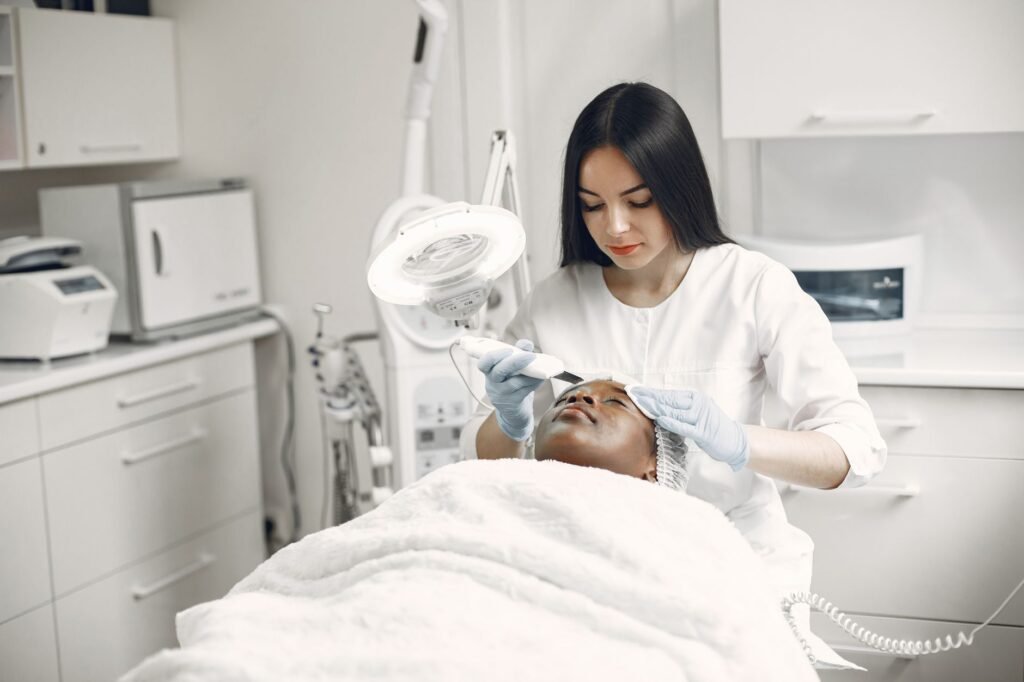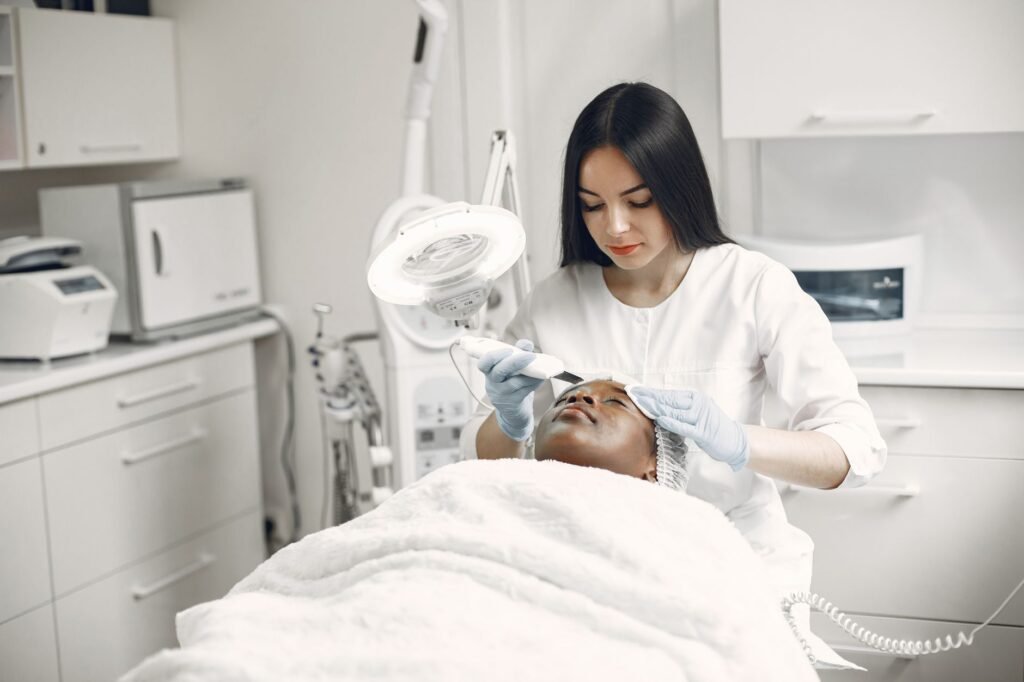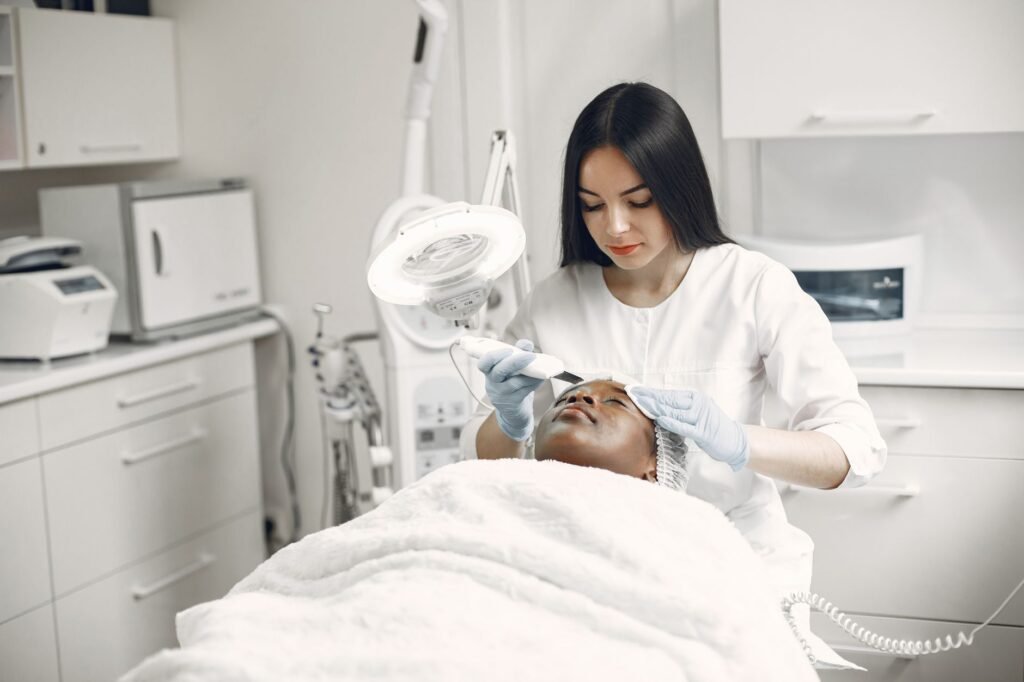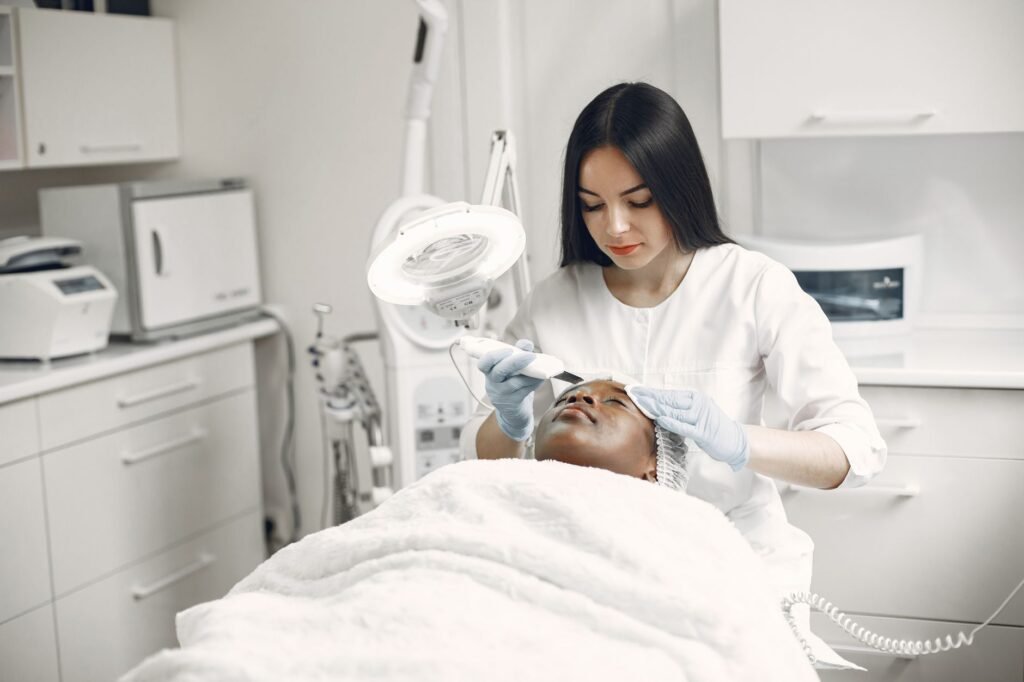
Licensed aesthetician carefully performing a professional microneedling treatment.
Skincare

Microneedling Gone Wrong: Before and After One Treatment, What Happened?

Microneedling complications are uncommon when the treatment is performed correctly, but they do happen, usually tracing back to unsanitary equipment, incorrect needle depth, an untrained provider, or poor aftercare. The most useful thing to know is that nearly every bad outcome described here is preventable by choosing a licensed, experienced provider and following aftercare instructions closely.
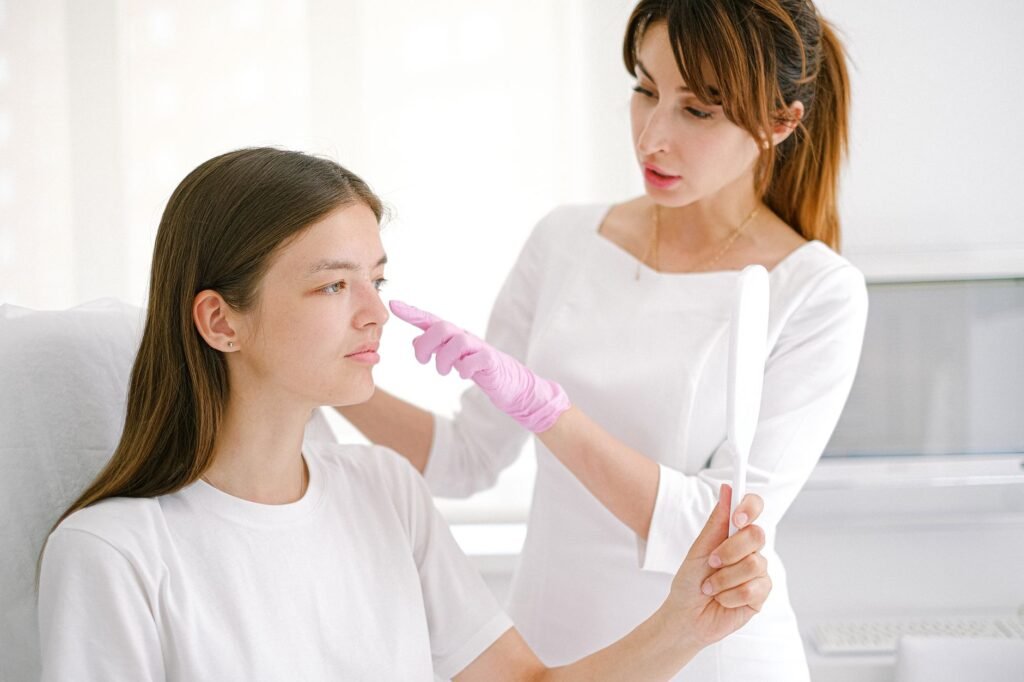
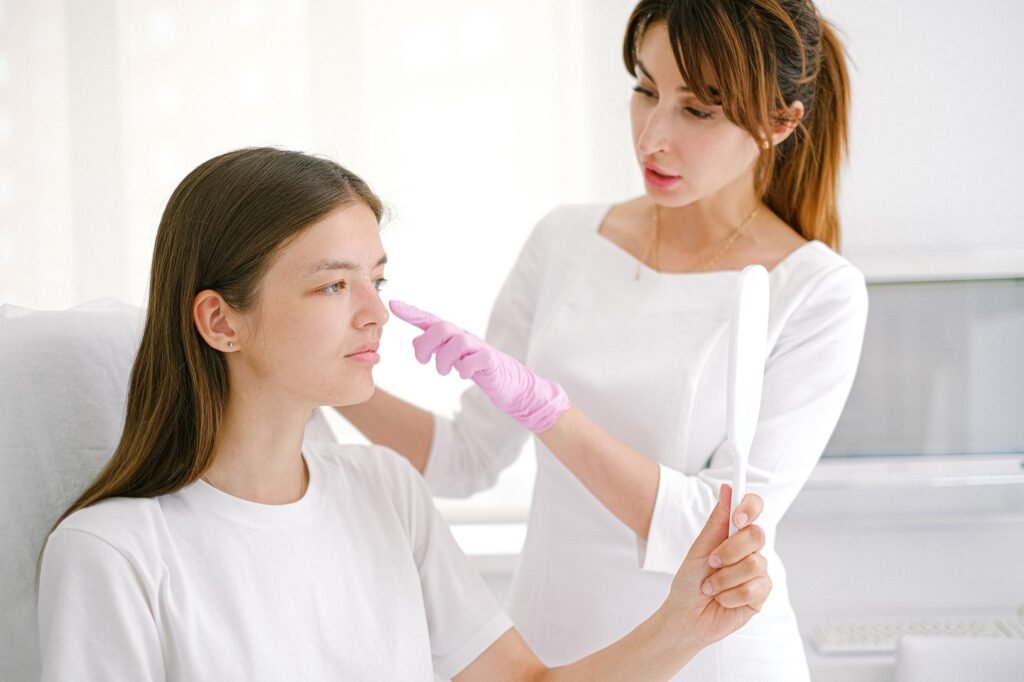
Client discussing treatment options during a professional skin consultation.
Skincare

Microneedling With Exosomes: The New Upgrade That Is Changing Results

Exosomes are tiny cell-signaling particles being marketed as an add-on to microneedling, but they are not currently FDA approved for aesthetic or cosmetic use in the United States. The FDA has issued public warnings about unapproved exosome products, including reports of adverse reactions tied to unregulated sourcing. The most useful thing to know is that this is an emerging, largely unregulated area, and it deserves more scrutiny than the marketing language typically suggests.

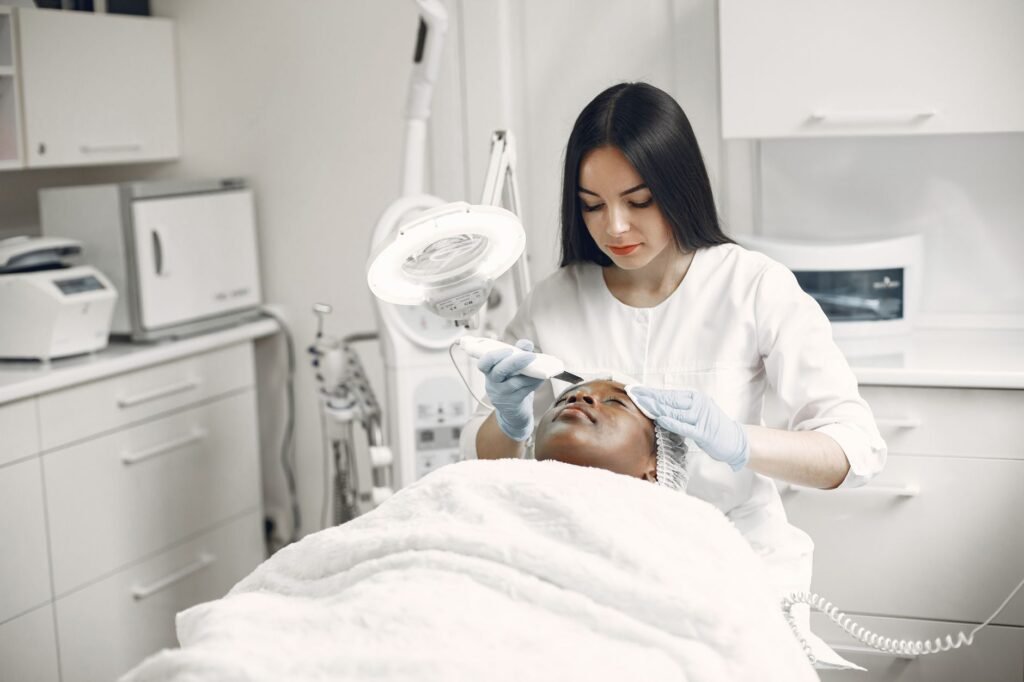
Aesthetician using a microneedling pen device during a professional skin treatment.
Skincare

SkinPen Microneedling: The FDA-Cleared Device Explained

SkinPen is widely recognized as the first microneedling device to receive FDA clearance, specifically for improving the appearance of facial acne scars in patients above a certain age. FDA clearance means the device has been reviewed for safety and its stated intended use, not that it produces guaranteed results. The most useful thing to know is that clearance status is a meaningful way to evaluate any device, including SkinPen.

Aesthetician operating a microneedling device during a professional treatment.
Skincare

Seranova Microneedling: Is It Worth Trying?

Seranova is one of several branded microneedling devices marketed to consumers and studios, using fine needles to create controlled micro-injuries that prompt the skin’s natural repair process. Whether it is worth trying depends less on the brand name itself and more on needle depth, who is operating it, and how it is sanitized between uses. Results vary by individual, and no single device guarantees a specific outcome.

Provider performing a radiofrequency microneedling treatment on a client's face.
Skincare

Potenza RF Microneedling: What Makes It Different From Standard Microneedling

Potenza is a brand of radiofrequency microneedling device that pairs traditional needling with heat energy delivered through the needle tips, aiming to affect skin at a different level than standard microneedling alone. The most useful thing to know is that RF microneedling and standard microneedling are related but distinct treatments, with different equipment, different sensations, and typically different recovery times.

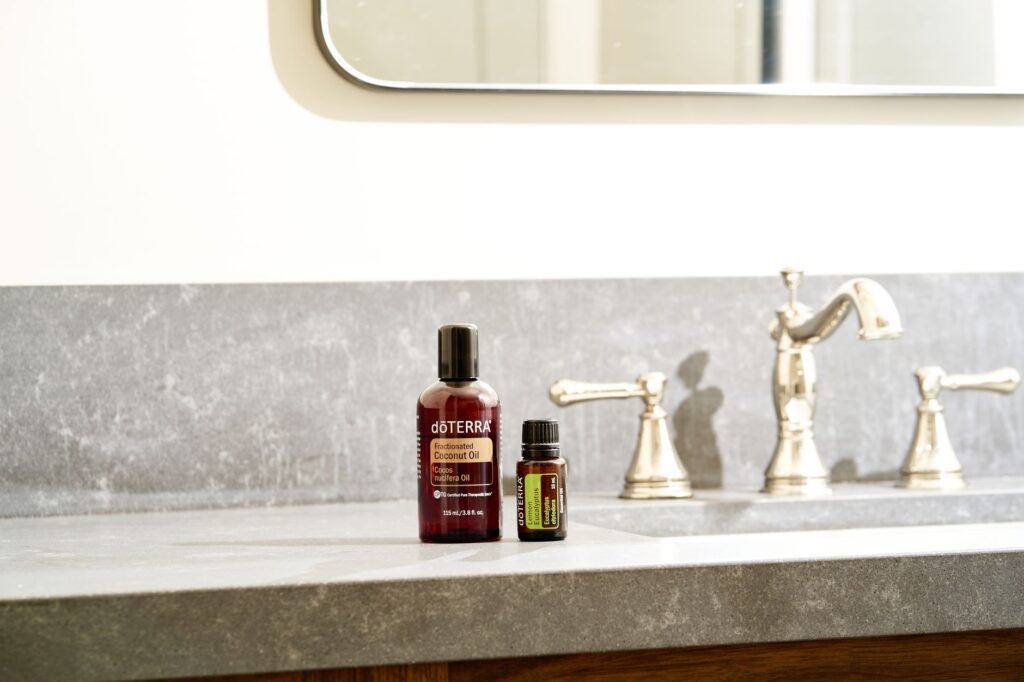
Simple, fragrance-free skincare products recommended for the days following a microneedling treatment.
Skincare

Microneedling Aftercare: Exactly What to Do in the First 72 Hours

The first 72 hours after microneedling matter most for how your skin looks and feels afterward, since this is when the skin barrier is temporarily more vulnerable. The most useful thing to know is to keep your routine simple: gentle cleansing, plain moisturizer, sun protection, and avoiding active ingredients until your skin has settled. Skipping this window or overloading your skin with products too soon is one of the most common causes of unnecessary irritation.

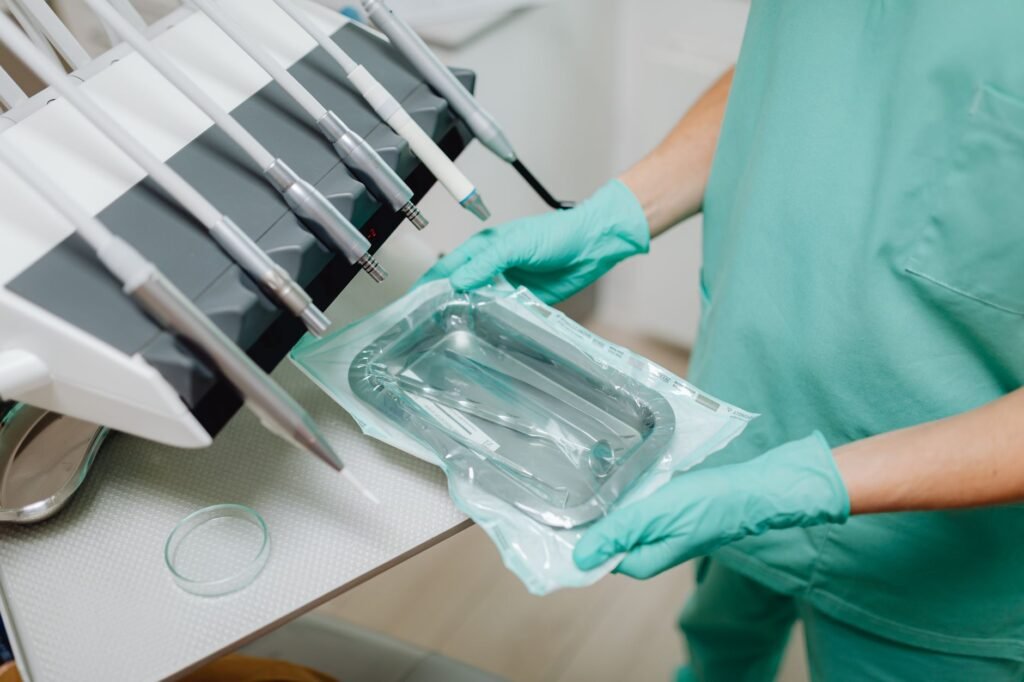
Medical provider preparing materials for a PRP microneedling treatment.
Skincare

Microneedling With PRP: Is the Vampire Facial Worth the Extra Cost?

Microneedling with PRP, often called a vampire facial, combines standard microneedling with a concentrated portion of your own blood plasma applied to the skin during treatment. It typically costs more than standard microneedling because it requires a blood draw and processing step performed under medical supervision. The most useful thing to know is that research on added benefit over standard microneedling alone is still developing, so the extra cost should be weighed against your specific goals and budget.

Aesthetician applying numbing cream before a microneedling treatment.
Skincare

Does Microneedling Hurt? What to Expect Before, During, and After

Most people describe microneedling as mildly uncomfortable rather than painful, especially when a topical numbing cream is applied beforehand. Sensitivity varies by individual and by treatment area, with the face generally more tolerable than areas with thinner skin. The most useful thing to know is that discomfort during the treatment is typically brief, while mild redness afterward is normal and temporary.

Close-up of even, healthy-looking facial skin representing common microneedling goals.
Skincare

Benefits of Microneedling: What It Really Does to Your Skin

Microneedling is a treatment that creates controlled micro-injuries in the skin to prompt its natural repair process, and most clients notice an improvement in the appearance of texture, tone, and fine lines over a series of sessions. The most useful thing to know is that results build gradually and vary by individual, rather than appearing after a single treatment.

Client discussing a skin and scalp concern during a professional consultation.
Skincare

Microneedling for Hair Loss: Does It Actually Regrow Hair?

Microneedling for hair loss is an area of ongoing research, and current evidence is limited and mixed rather than conclusive. Cosmetic microneedling devices are cleared for use on skin texture and appearance, not as a treatment for hair loss, which is a medical condition that should be evaluated by a dermatologist. The most useful thing to know is that anyone experiencing hair loss deserves a proper diagnosis before trying any at-home approach.

Scroll to Top