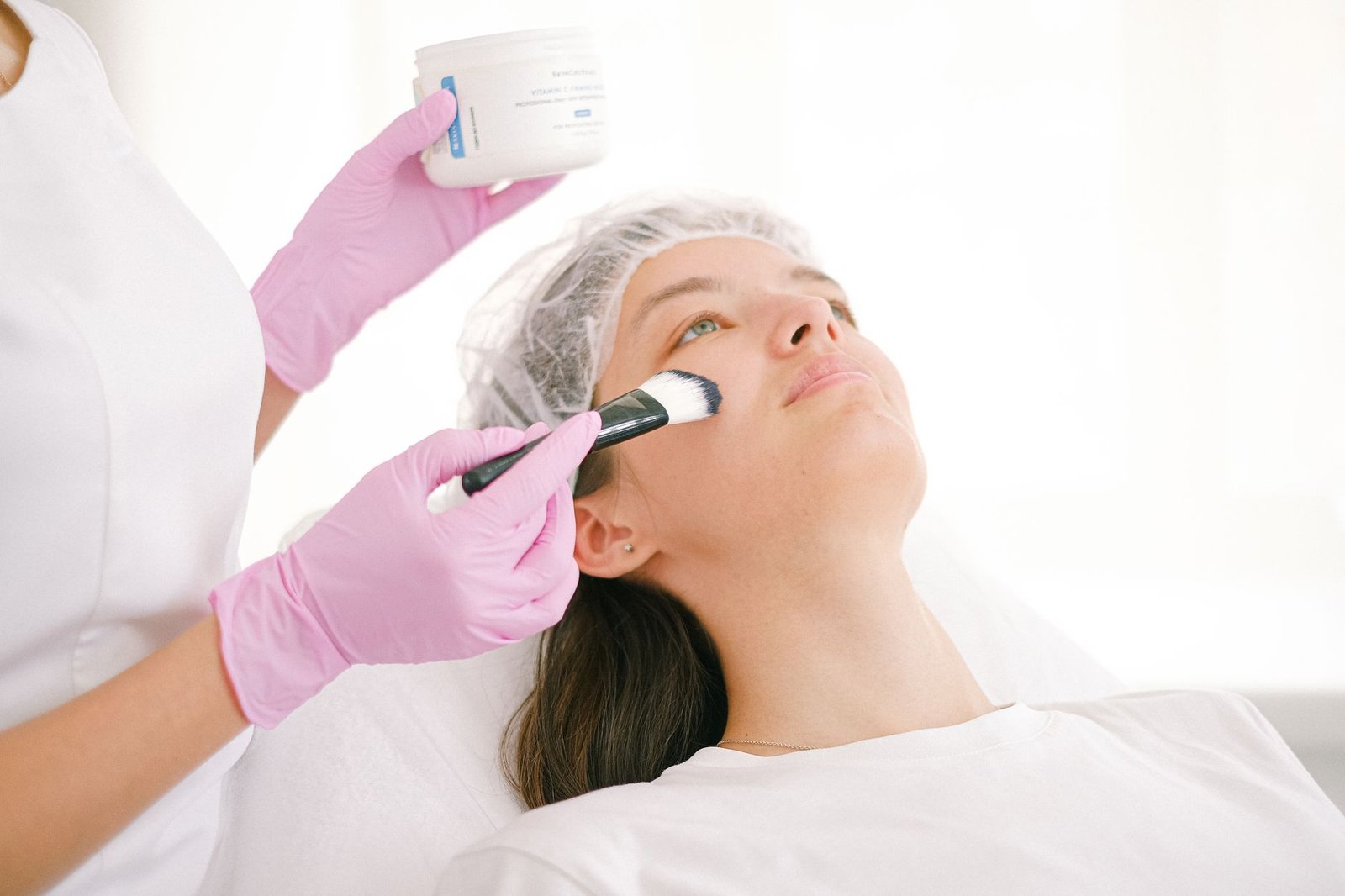
Knowing that microneedling works is one thing. Knowing what actually happens when you sit down in the chair is a different question, and it’s usually the one people are most nervous about. So here’s the walkthrough, step by step.
Before the appointment
Most providers will ask you to avoid certain things in the days leading up to your session: retinoids, exfoliating acids, waxing, and heavy sun exposure are the usual list, typically for about three to five days beforehand. This is because those things can make your skin more sensitive right when you’re about to add controlled micro-trauma on top of it.
You’ll usually also fill out a health history form. This isn’t just paperwork for the sake of it. Things like current medications, pregnancy, active skin infections, or a history of cold sores actually change whether or how the treatment should be done, so answer honestly even if it feels like overkill.
Getting numb
Once you’re in the chair, a topical numbing cream goes on first and needs about 20 to 30 minutes to fully take effect. This part is honestly the most boring part of the appointment. Some places will have you sit in a quiet room, others will let you scroll your phone while you wait.
During the treatment
The provider passes the device over your skin in sections, usually starting with the areas that need the most attention. Most full-face sessions take somewhere between 20 and 40 minutes once the actual needling starts, depending on how much area is being covered.
With proper numbing, most people describe the sensation as a vibrating, scratchy feeling rather than pain, though some spots (the forehead near the hairline, the jawline, anywhere over bone that’s close to the surface) tend to feel more sensitive than others. It’s normal to feel warmth or mild stinging by the end, especially if a serum is applied partway through.
Right after: what your skin looks like
This is the part that surprises first-timers the most. Immediately after treatment, skin is typically red, sometimes quite red, and can feel tight or warm, similar to a sunburn. Some pinpoint bleeding is possible depending on needle depth, though it’s usually minimal with standard treatments. This is completely normal and not a sign anything went wrong.
The first few days after
Redness generally peaks within the first 24 hours and then fades over the following one to three days. Skin may feel dry, tight, or slightly flaky as it heals, which is your skin doing exactly what it’s supposed to be doing. Makeup is usually off-limits for at least 24 hours to avoid introducing bacteria into freshly treated skin.
A few things that actually matter during this window:
- Sun protection becomes non-negotiable. Freshly treated skin is more vulnerable to UV damage and pigmentation issues, so sunscreen (and honestly, just staying out of direct sun where you can) matters more than usual for at least a week.
- Skip anything harsh. Retinoids, exfoliating acids, and strong active ingredients typically need to wait about a week before going back into your routine.
- Keep it simple. A gentle cleanser, a basic moisturizer, and sunscreen are usually all your skin needs while it recovers. This is not the week to try five new products.
- Stay hydrated and avoid excessive sweating for a day or two, since sweat can irritate freshly treated skin.
A few myths about the day-of experience worth clearing up
There’s a lot of secondhand information floating around about what microneedling appointments are actually like, and not all of it holds up. A few common ones:
“It’s basically painless.” Not quite. With proper numbing it’s tolerable and manageable, but calling it painless sets unrealistic expectations. Expect pressure, warmth, and mild discomfort in sensitive areas, not nothing at all.
“You’ll be bleeding a lot.” Also not accurate for standard treatments. Some pinpoint bleeding can happen, especially at deeper settings, but it’s typically minimal and not the dramatic, visibly bloody scene some people picture beforehand.
“You can’t do anything for a week afterward.” Most people are back to normal daily activities the next day, sometimes even the same evening, once the initial redness settles. It’s makeup, active skincare ingredients, and direct sun exposure that need to wait, not your entire life.
When results actually show up
Don’t expect to see a transformed complexion by day three. Initial improvements in tone and texture often become noticeable around two to four weeks post-treatment, as new collagen starts forming, but the fuller results from a series of sessions typically build over three to six months. This is a slow-and-steady kind of treatment, not an instant one.
Red flags to actually watch for
Mild redness and dryness are expected. What’s not expected: pus, worsening pain after the first day or two, spreading redness, fever, or anything that looks like a real infection rather than normal healing. If any of that shows up, it’s worth contacting your provider rather than waiting it out.
Every provider does things slightly differently, so the specific instructions you’re given at your own appointment should always take priority over anything you read online, including this. If something about your aftercare instructions is unclear, ask before you leave, not after you get home and start second-guessing yourself.
Questions about your skin or your brows? We’re happy to talk it through — reach out anytime.