Quick Answer
Microneedling for beard growth is a popular topic online, but current research on facial hair specifically is limited, and cosmetic microneedling devices are not cleared for treating hair growth of any kind. The most useful thing to know is that patchy facial hair has many possible causes, some genetic and some medical, and identifying the cause matters more than trying a device based on online claims.
Patchy or slow-growing facial hair sends a lot of people searching for a fix, and microneedling shows up constantly in that search alongside bold claims about thicker, fuller beards. It is worth understanding what is actually behind those claims before trying anything.
This article looks at what the current evidence says about microneedling and facial hair, and what a more reliable path forward looks like. Rare Beauty Studio in Naples believes an honest answer here is more useful than validating a trend.
What the Evidence Actually Shows
Research specifically looking at microneedling for facial hair growth is limited, and most of what gets cited online actually comes from small scalp hair studies, not beard-specific research. Applying findings from scalp studies to facial hair is not a reliable substitute for evidence that actually studies the area in question.
Cosmetic microneedling devices marketed for skin appearance are not cleared for treating hair growth of any kind, on the scalp or the face, which is an important distinction that often gets lost in enthusiastic online claims.
Why Facial Hair Patterns Vary So Much
Beard density and growth patterns are largely determined by genetics and hormone sensitivity in facial hair follicles, which is why some people naturally grow fuller beards than others regardless of what they try. Age, certain medical conditions, and nutrition can also play a role in some cases.
Because the underlying cause varies so much from person to person, a single approach like microneedling is unlikely to work the same way, or at all, for everyone trying it.
If You Are Considering Trying It Anyway
Some people choose to try at-home microneedling on facial hair despite the limited evidence, understanding it as a personal experiment rather than a proven treatment. If you go this route, sticking to a shallow, at-home appropriate depth and maintaining strict sanitation matters just as much here as it would for facial skin.
It is worth setting realistic expectations going in, since current evidence does not support a reliable outcome, and any changes some individuals report could be coincidental rather than caused by the treatment itself.
A More Reliable Next Step
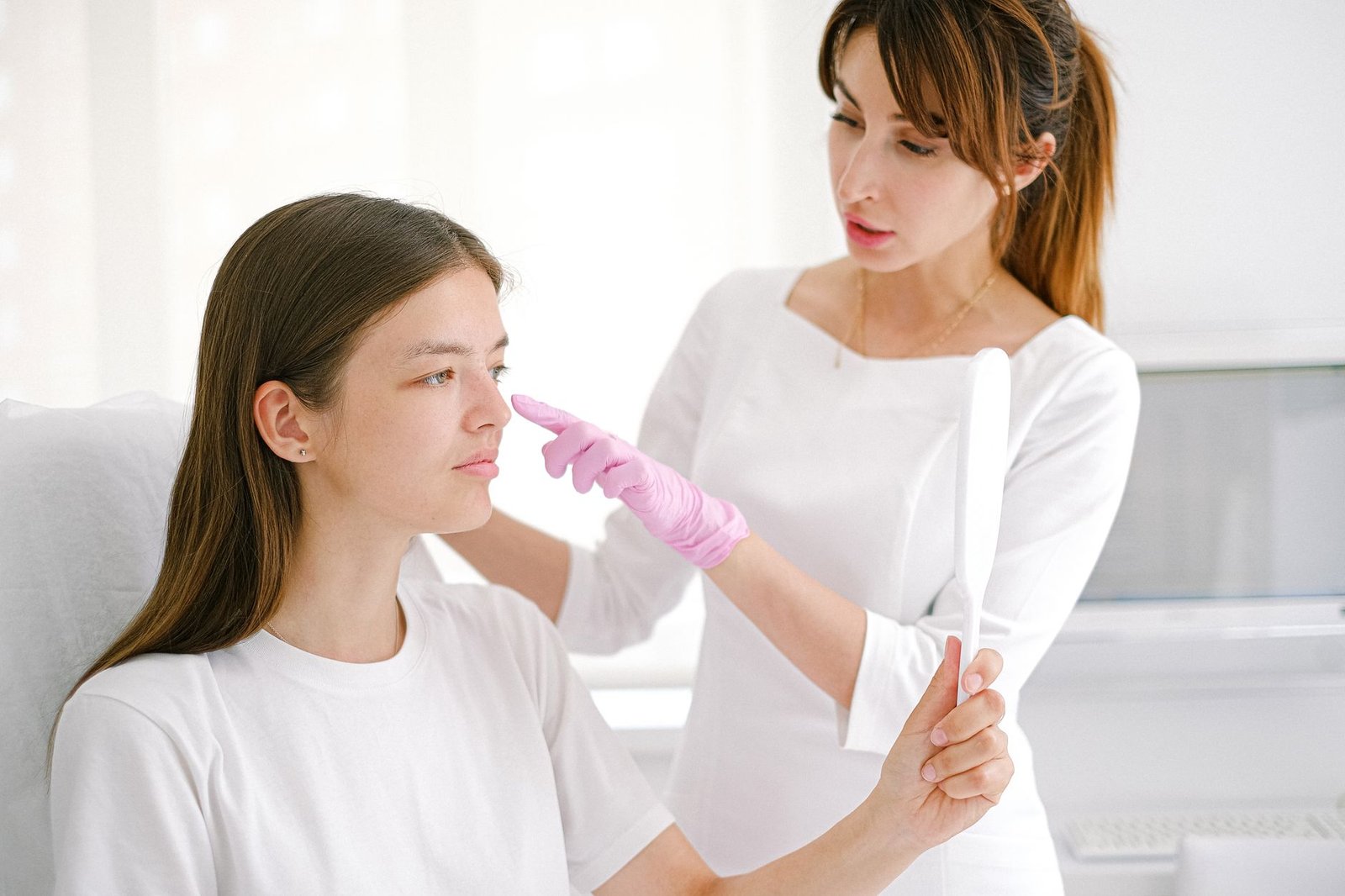
If facial hair growth is a significant concern for you, a dermatologist can evaluate whether an underlying cause, such as a hormonal or nutritional factor, might be addressable, and can discuss options that have more established research behind them for hair-related concerns specifically.
If your interest is more broadly in skin appearance, texture, or the appearance of the skin beneath your beard, that is a separate and more established use for microneedling.
If skin, not facial hair, is your main concern, Rare Beauty Studio in Naples is happy to talk through your goals during a consultation. Visit rarebeautystudio.com to learn more.
Frequently Asked Questions
Does microneedling actually grow a beard?
Current evidence specific to facial hair is limited, and cosmetic microneedling devices are not cleared for treating hair growth. Any results some individuals report are not well established by research.
Is microneedling for beard growth safe?
At-home use on facial skin follows the same safety considerations as any at-home microneedling, including shallow depth and strict sanitation, though it is not a treatment specifically studied or cleared for hair growth.
Does microneedling for beard growth hurt?
Sensation is similar to standard at-home microneedling on other facial areas, generally described as mild pressure or scratching.
How long until I see results trying this?
There is no established, reliable timeline since current evidence for this specific use is limited. Expectations should be set accordingly.
Who should I see about patchy facial hair instead?
A dermatologist can evaluate potential underlying causes and discuss options with more established research behind them. Rare Beauty Studio focuses on skin and aesthetic concerns rather than hair growth specifically.
Is microneedling safe for my skin tone if I am interested in it for skin reasons?
Facial microneedling for skin appearance goals is generally considered appropriate across a wide range of skin tones. A professional consultation can confirm it is a good fit for your specific skin.
The information in this article is for educational purposes only. Results from microneedling and aesthetic treatments vary by individual and are not guaranteed. This content does not constitute medical advice. Consult a qualified aesthetic professional before beginning any treatment. Rare Beauty Studio, Naples, Florida.