Quick Answer
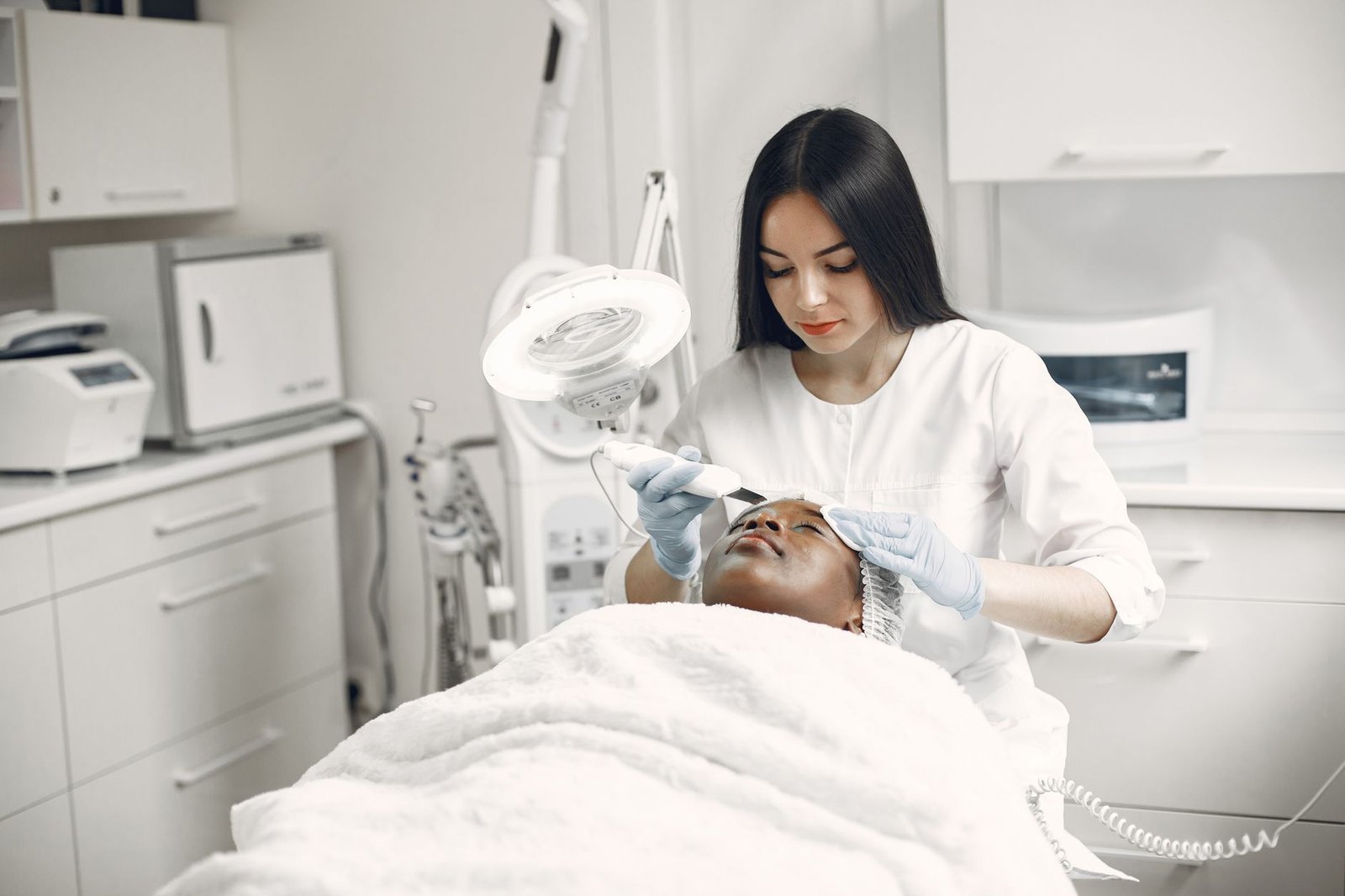
Microneedling complications are uncommon when the treatment is performed correctly, but they do happen, usually tracing back to unsanitary equipment, incorrect needle depth, an untrained provider, or poor aftercare. The most useful thing to know is that nearly every bad outcome described here is preventable by choosing a licensed, experienced provider and following aftercare instructions closely.
Searching for microneedling horror stories is a completely reasonable thing to do before booking a treatment that involves needles touching your face. Reading about what can go wrong is often more useful than reading only the positive reviews.
This article walks through a composite, common example of how microneedling can go poorly, the specific factors that usually cause it, and how to avoid the same outcome. Rare Beauty Studio in Naples believes clients make better decisions when they understand the real risks, not just the potential benefits.
A Common Version of What Goes Wrong
A typical bad outcome looks something like this. Someone books a heavily discounted treatment at an unfamiliar location, the provider does not ask about skin history or current medications, and the equipment is not clearly sterilized in front of the client. Within a day or two, instead of mild expected redness, the skin shows prolonged inflammation, small raised bumps, or in more serious cases, signs of infection.
This is not the typical outcome of professional microneedling performed correctly. It is, however, a realistic picture of what happens when several risk factors line up at once, which is exactly why each of those factors is worth understanding individually.
The Factors That Actually Cause Problems
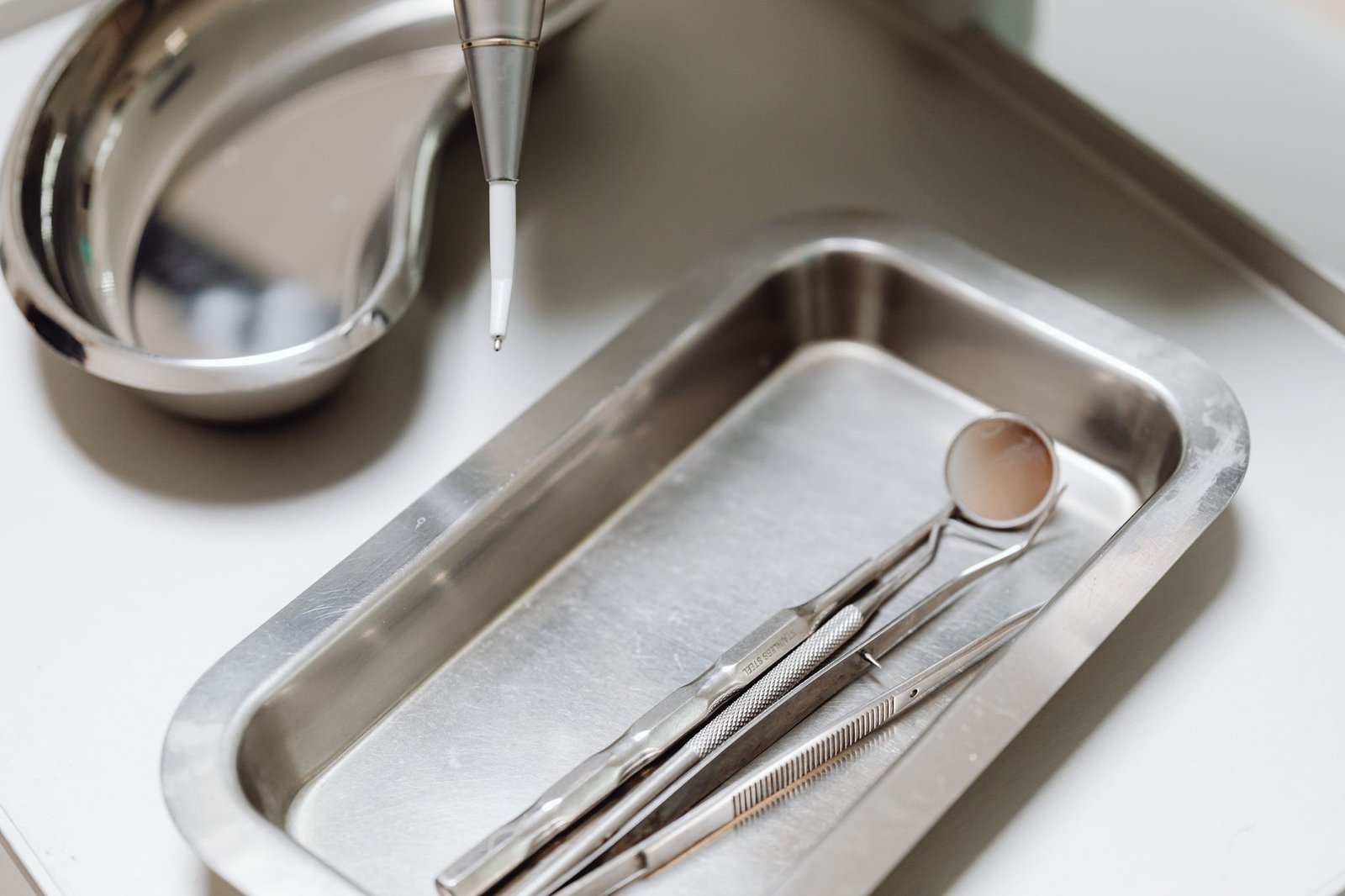
Unsanitary equipment is one of the most common culprits, particularly reused cartridges or devices that are not disinfected between clients. Incorrect needle depth is another, since going too deep without proper training increases the risk of scarring or uneven results, while an inexperienced hand can also miss the layer of skin the treatment is meant to target.
Skipping a proper skin history review is another overlooked factor. Certain medications, active skin conditions, or a history of keloid scarring can all increase the risk of a poor outcome, and a responsible provider should be asking about these before ever picking up a device.
Aftercare Mistakes That Make Things Worse
Even a well-performed treatment can go sideways with poor aftercare. Using active ingredients like retinoids or acids too soon, exposing freshly treated skin to direct sun without protection, or touching the face with unwashed hands can all turn normal, temporary redness into something more serious.
Following the specific aftercare instructions given by your provider, rather than your usual skincare routine, matters more in the days immediately following treatment than most people expect.
How to Avoid This Outcome Entirely
Choosing a licensed, experienced provider who is transparent about their sanitation practices and willing to review your skin history in detail addresses most of the risk factors described here. Asking to see cartridges opened in front of you and asking direct questions about training is a reasonable and expected part of the process, not an awkward one.
A heavily discounted price with vague answers to basic questions is a legitimate reason to look elsewhere, regardless of how convenient the location might be.
If you want to understand exactly what a safe, professional treatment looks like before you book anywhere, Rare Beauty Studio in Naples is happy to walk you through our process and answer every question you have. Visit rarebeautystudio.com to learn more.
Frequently Asked Questions
How common are microneedling complications?
Complications are uncommon when the treatment is performed correctly by a trained provider using properly sanitized equipment. Most reported problems trace back to a specific, identifiable factor like unsanitary equipment or an inexperienced provider.
Does microneedling hurt when something goes wrong?
Discomfort that continues to worsen rather than improve after a day or two, rather than a mild expected sensation, is a sign something is not progressing normally and is worth contacting your provider about.
How long until I see results if my treatment went well?
Many clients notice gradual improvement in the appearance of skin texture over several weeks following a properly performed treatment, with continued changes often reported after a series of sessions.
Is microneedling riskier for certain skin tones?
Risk is more closely tied to technique and aftercare than skin tone specifically, though anyone with a history of keloid scarring should discuss this with a provider beforehand regardless of skin tone.
What should I ask a provider before booking to avoid a bad outcome?
Ask about their training, how they sanitize equipment, whether cartridges are single-use, and whether they will review your skin and medication history beforehand. Rare Beauty Studio welcomes these questions during every consultation.
What should I do if my skin looks worse than expected after treatment?
Contact your provider promptly rather than waiting it out, especially if you notice increasing swelling, pus, or discomfort that is getting worse rather than better.
The information in this article is for educational purposes only. Results from microneedling and aesthetic treatments vary by individual and are not guaranteed. This content does not constitute medical advice. Consult a qualified aesthetic professional before beginning any treatment. Rare Beauty Studio, Naples, Florida.